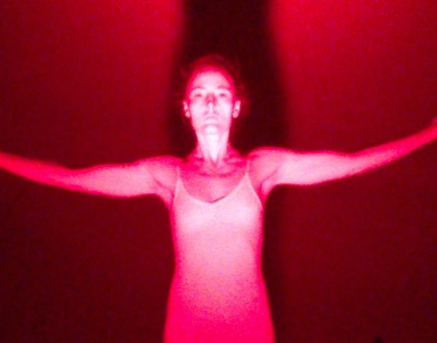
About Kristen Lewis

Kristen Lewis approaches dance and performance training as a rigorous and tender adventure. Her teaching follows a lifetime commitment to creative practice as a tool for uncovering hidden aspects of the psyche/body - and for unleashing ranges of expressive capacity that surprise with their force, tenderness and creativity. Dance training is positioned as a vehicle for profound transformation - and for uncovering hidden reserves of wisdom, joy, and power.

Her classes appeal to those who i) recognize that liberation is not a vague sentiment, but a disciplined physical revolt against the "cocoon" (Chogyum Trungpa) of conditioned existence; and ii) realize that the body and its expressive capacity are an inalienable part of who we are, of the reality we express and that expresses itself through us.

Kristen is influenced by, inter alia:

i) yoga, especially the approach of vajrayana master Chogyum Trungpa, who moved to her hometown of Halifax when she was young;

ii) the tradition of American Performance Studies, to which she was introduced following the presentation of her first play, David and Davida, at the Atlantic Fringe festival circa 2002, and with which she has kept ties ever since;

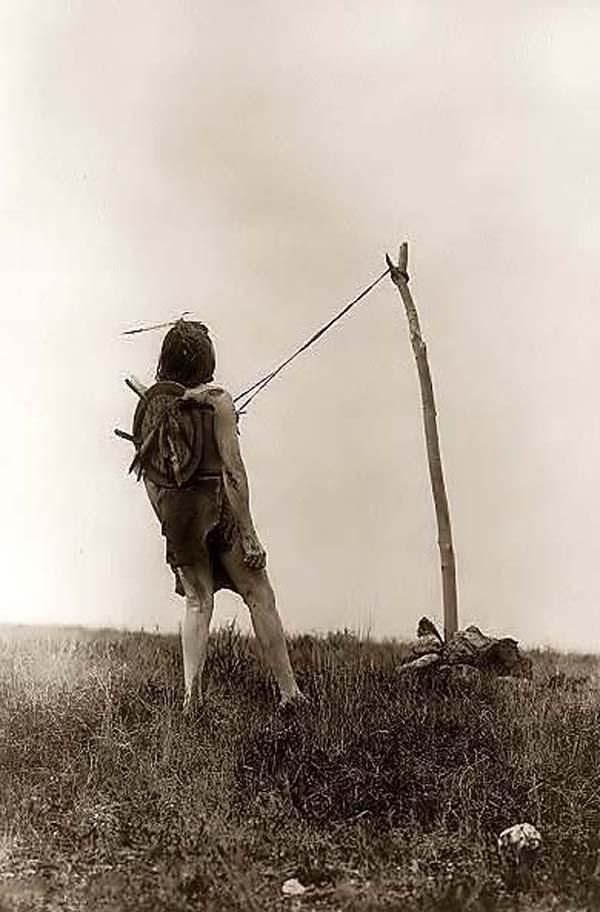
iii) the Lakota-Cree ceremonial tradition, to which she was introduced circa 2010;

iv) Laban Movement Analysis, to which she was introduced in 2012 via studies at the Creative Dance Centre in Seattle;

v) Embodied Anatomy, Developmental Movement, and the work of Bonnie Bainbridge Cohen;

vi) the studies of various schools of critical theoretical work into the ways socio-cultural conditioning inflects self-expression - work she explored in depth during her two law degrees (2017 to 2020 and 2020 to 2022) This includes the work of French sociologist Pierre Bourdieu into the deep influence of family and social habitus on the way we move and see the world;

vii) contact improvisation, especially the approach influenced by Bonnie Bainbridge Cohen’s researches and by the relational approach to CI expounded by CI veteran Stu Phillips (who asked Kristen to begin teaching CI in 2022).

Inspired by the above, Kristen sees dance training as a form of profound "counter-training” (Bourdieu’s word).

Counter-training in the context of her classes means: a discliplined course of physicalized action undertaken to expose and uproot restrictive, often unconscious habits of being - leading to expanded capacity for health, creative vision, expressive capacity, and deep wisdom that does not neglect the body.

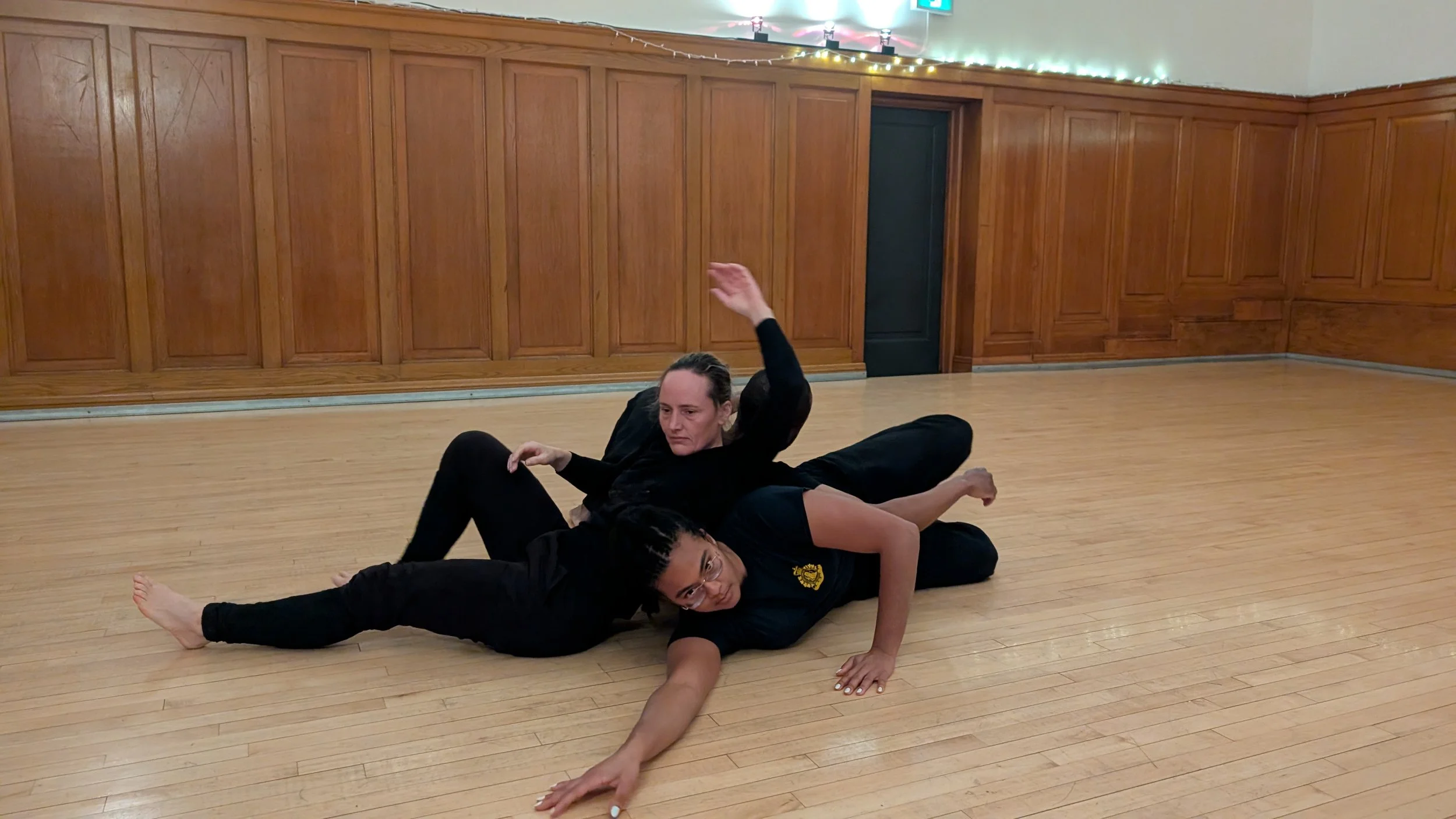
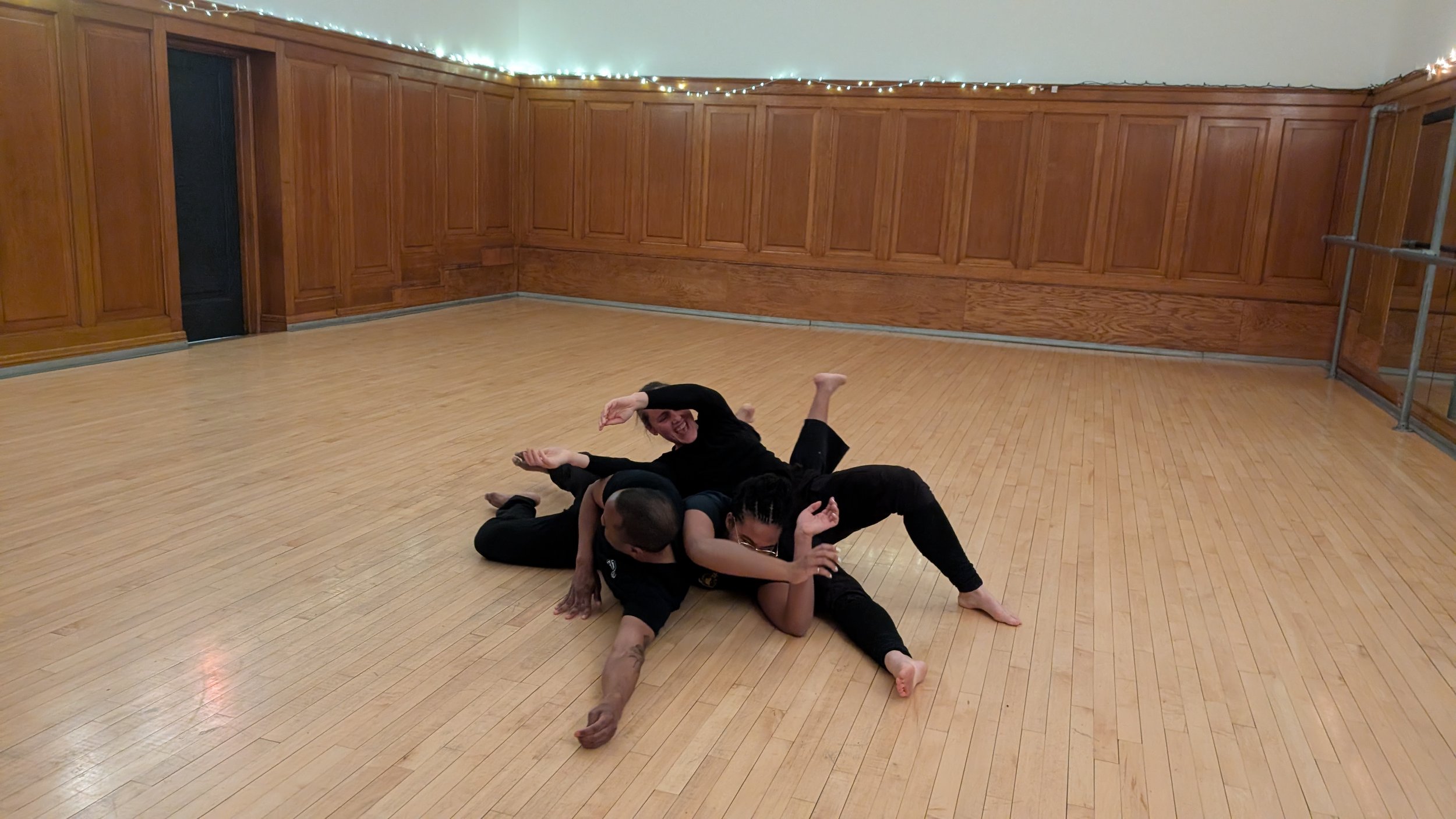
Counter-training might include Contact Improvisation (one methodology Kristen teaches); contemporary dance; performance-art-based training; yoga; ballet.

Her classes and trainings present a methodology developed over her many years of practice and teaching to gently but firmly dismantle the habits of subjectivity inherited from restrictive family-of-origin conditioning, neoliberal efficiency protocols and the ways these mark bodies, as well as the increasingly sterilizing pressures of the hyper-technocratic age.

In the face of the increasing pressures the internet has brought to perform the self along highly normalized lines (a world where the appearance of difference as multiplied “identities” reveals itself as brain-washed response to un-interrogated algorithmic command), her practice and teaching seeks to unsettle the “naturalized” normalized modes of being in a body. That sounds fancy. What it means is often simple - we walk a certain way and not another because of social conditioning. This makes life restrict itself - in us, around us, through us. We restrict ourselves, those around us do the same and we keep reinforcing this boring nonsense - until we don’t. It isn’t about some fake display of so-called freedom - like a release of undisciplined shaking at some random ecstatic dance event. It’s about a systematic, disciplined - yet loving and tender - inquiry into why we move how we do, and into how we might otice chances ot move otherwise, against the grain of unhelpful conditioning. It’s as much about discovering and following laws we forgot as it is about “breaking free, man” of laws altogether. This is discipline as a practice of freedom - not some idealized vision of “freedom” stuck in the infancy of a human teen-agehood that sees rules as shit and freedom as god. It’s about cultivation of something more expansive than the given.

Some of the sources of Kristen’s teaching include:

  • Breaking the Cocoon and stepping into Sacred World: This idea comes from the vajrayana master and teacher Chögyam Trungpa, who inspires Kristen’s work in a host of ways; following Trungpa and the insights integrated into her own life, Kristen’s teaching sees ingrained habits as a "cocoon"—a self-insulated world of habitual patterns that feels safe but leads ultimately to enslavement. Breaking out requires a warriorship that is as much about vulnerability as it is about strength. [1] Warriorship leads to a vision of each moment as a manifestation of Sacred World - a passionate, lively theatre where the Self is free to receive and express the lively energy of the present, without neurotic clinging to fear-based modes of seeing, being, moving, being.

  • Laban Movement Analysis - Lewis first encountered the Laban system through studies at the Creative Dance Center in Seattle Washington in 2012, and later integrated these into a lengthy personal study of improvised dance conducted while living in relative isolation on Salt Spring Island (2004 to 2017) - and teaching these concepts to the many young students she taught there at that time (2012 to 2017). The Laban work is a tool of intellectual and bodily rigour, which Kristen introduces as a way to interrogate the bodily histories that dictate how we move, how we stand, how we relate a challenging the habitual “dispositions” (Bourdieu) absorbed from under-interrogated family/cultural/technological milieus.

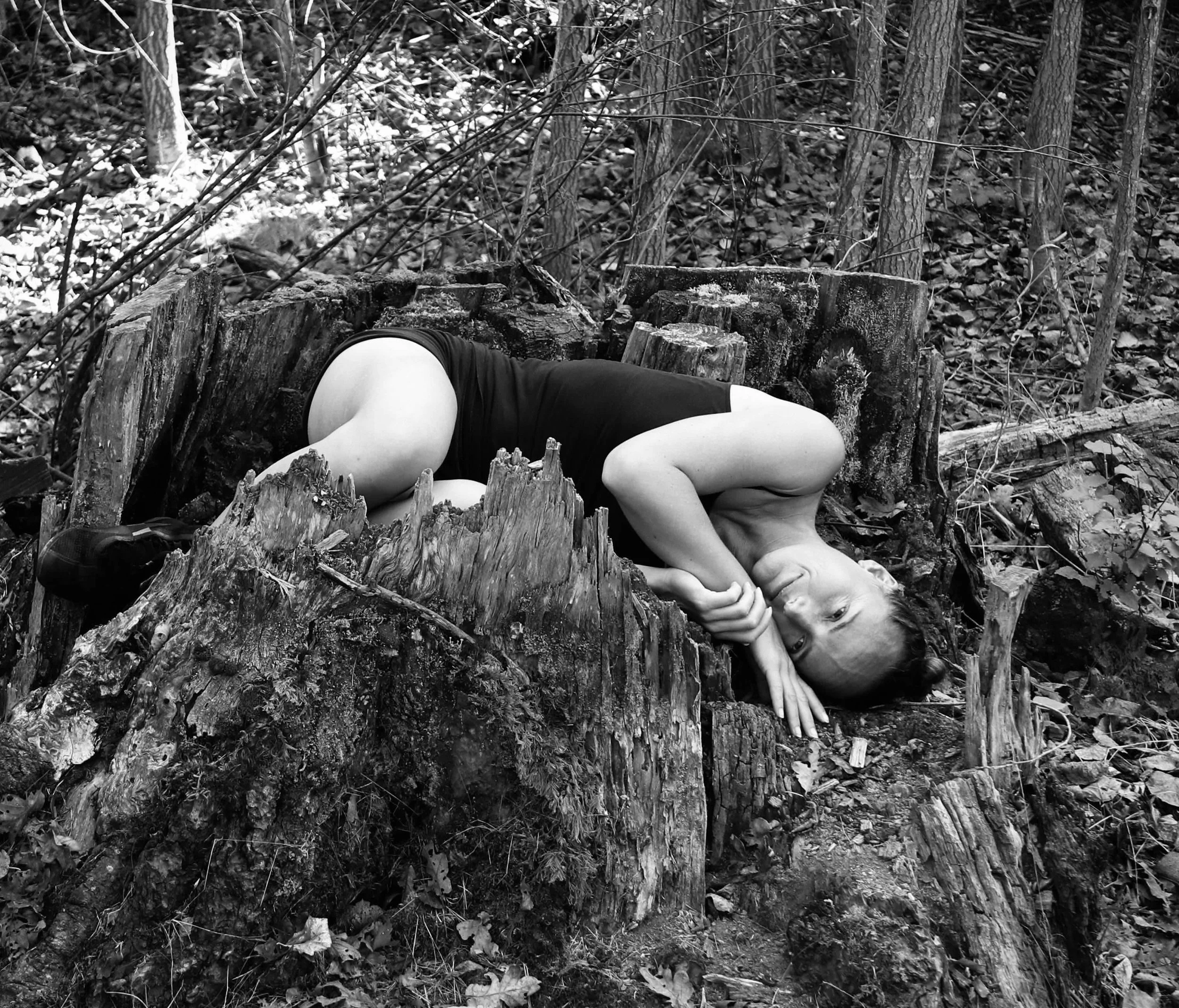
  • Cellular Autonomy and the Body’s Wisdom: Using an approach to embodied anatomy inspired by the research of movement pioneer Bonnie Bainbridge Cohen, Kristen’s teaching roots itself in the developmental, organic, anatomical body as a fluid entity that can be inhabited with joy and curiosity, rather than revulsion or represssion. This counters a pervasive, culture- wide "mistrust of the body" (seen for instance in the fake representations of idealized human form AI promulgates) and the idealistic urge (whether based in techno-obsession or disembodied religious impulse) to represent the human as independent of its materiality, its "perishable" nature. Kristen’s classes seek to replace said urge with a profound, quiet respect for our biological vulnerability.

  • Genealogical Inquiry

    Kristen’s teaching approaches the dancing body as a site of genealogical inquiry - meaning a repository of personal and cultural histories often framed as “natural” but actually the expression of an accumulation of habits accrued over generations and stored in the body and its habits as “just the way I am.” Following Michel Foucault’s old (1977) but still-relevant interrogation of Nietzsche’s even older but also still-relevant interrogation of embodied morality (Genealogy of Morals), she approaches our physical form as an accumulation of “inscriptions” - where history is not abstract memory but a lived calcification that reduces expressive, emotive, and functional range.

Selected Bibliography

1.     Lewis, Kristen. "Dance Improvisation as an approach to theorizing: Counter-Training for the Academic Habitus." Paper presented for the CSPT seminar in Contemporary Materialisms, University of Victoria, 2020 (Unpublished)

2.       Foucault, Michel. "Nietzsche, Genealogy, History." In Language, Counter-Memory, Practice. Cornell University Press, 1977.

3.        Trungpa, Chögyam. Shambhala: The Sacred Path of the Warrior. Shambhala Publications, 1984.

4. Bainbridge Cohen, Bonnie. Sensing, Feeling, and Action. Contact Editions, 1993

5. Bourdieu, Pierre. The Logic of Practice. Translated by Richard Nice. Stanford University Press, 1990.

6. Bataille, George. The Accursed Share: Vol. II. Translated by Robert Hurley. Zone Books, 1993. [1]